.png)
Ground Ignition Methods for Slash Pile Burning: A Comparative Field Evaluation
The Technical Challenge of Slash Pile Ignition
Slash pile burning is the controlled combustion of leftover tree branches, brush, and woody...

The Technical Challenge of Slash Pile Ignition
Slash pile burning is the controlled combustion of leftover tree branches, brush, and woody...
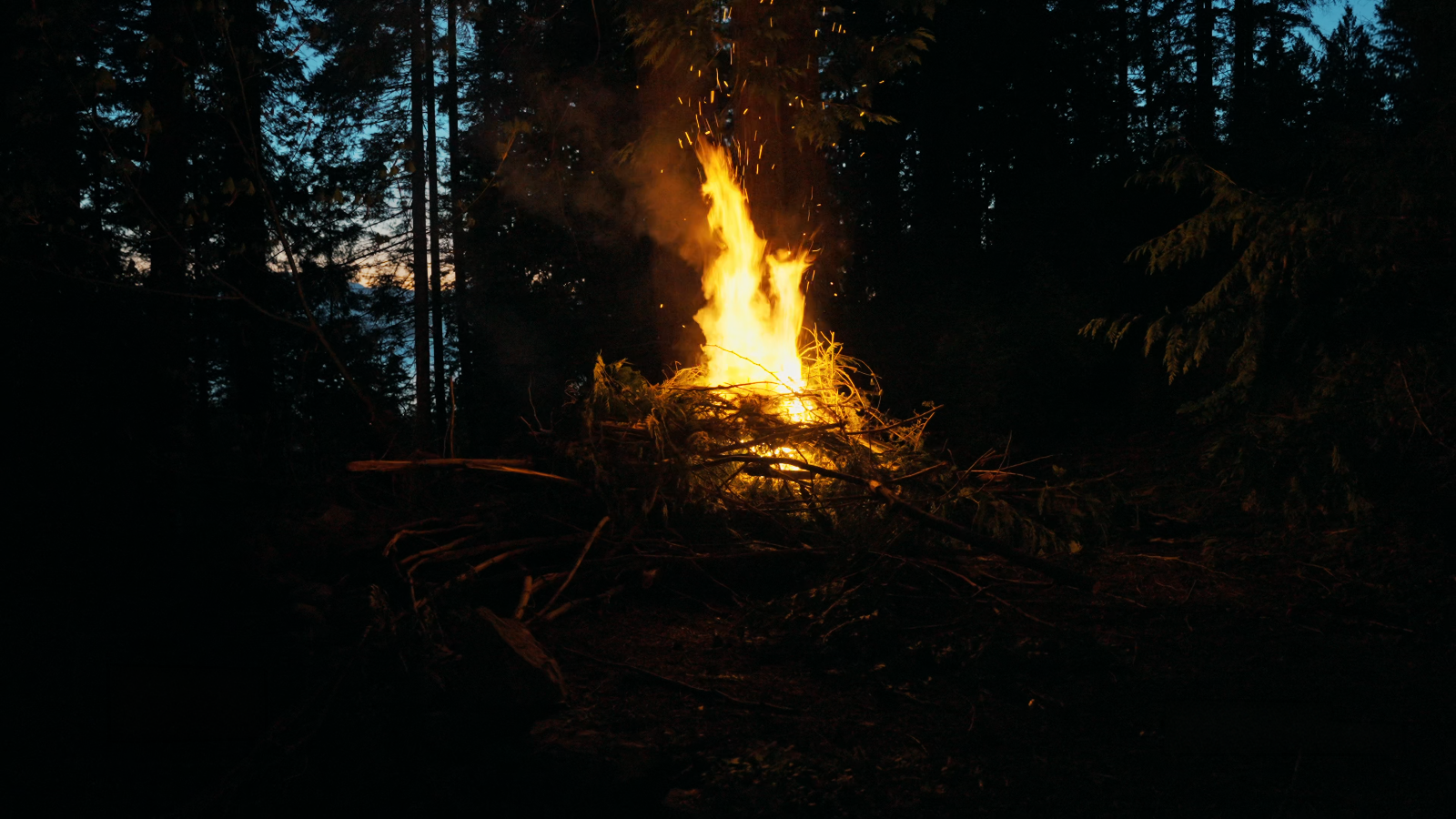
The Challenge of Slash Pile Ignition
Slash pile burning is a necessary part of many forestry, logging, and land management operations,...
Choosing the right industrial coating takes more than finding a product that looks good...
-1.png)
Stove Bright® High Temperature Paint is specifically formulated for surfaces exposed to elevated temperatures. Designed to withstand...
The Technical Challenge of Slash Pile Ignition
Slash pile burning is the controlled combustion of leftover tree branches, brush, and woody...
The Challenge of Slash Pile Ignition
Slash pile burning is a necessary part of many forestry, logging, and land management operations,...
Choosing the right industrial coating takes more than finding a product that looks good...
Stove Bright® High Temperature Paint is specifically formulated for surfaces exposed to elevated temperatures. Designed to withstand...



Tree marking is a foundational part of forestry, logging, surveying, and land management. Whether teams are identifying harvest units, establishing boundaries, cruising timber, or flagging hazard trees, the quality of the mark determines how clearly information is communicated in the field. Because these marks often need to remain visible for months or even seasons, choosing the right tree marking paint is essential for accuracy, productivity, and safety.
Forestry professionals consider a range of performance factors before selecting a paint that can withstand harsh conditions and deliver consistent results. This guide highlights the key criteria they rely on when determining which marking paint best fits their operational needs.
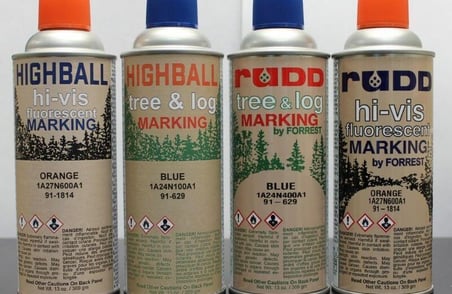
Visibility is one of the most important attributes in tree marking paint. Crews work in dense canopies, low-light environments, and rugged terrain where clear, bright color makes the difference between an efficient operation and a time-consuming one.
Professionals look for:
Standard colors may be suitable for short-term or close-range work, while high-visibility colors offer stronger contrast for long-distance identification, boundary marking, and situations demanding immediate visual recognition.
Marks exposed to the elements must retain color and clarity through weather swings, sun exposure, and precipitation. When paint fades, flakes, or washes away, crews may lose markers and need to remark areas and that adds cost, time, and risk to operations.
Key durability factors forestry teams evaluate include:
Long-lasting marks support accuracy in harvesting, surveying, and timber management. For procurement teams, durability also plays a direct role in budgeting, because a more durable paint reduces rework and improves efficiency.
Trees in forestry operations vary significantly in bark texture, density, moisture content, and temperature. This makes adhesion one of the most critical characteristics of a quality tree marking paint.
Professionals assess how well a marking paint adheres to:
Paints with higher solids content and solvent-based formulations are preferred, because they penetrate and bond more effectively to natural surfaces. Strong adhesion ensures marks remain intact during the life of the project, regardless of moisture or bark condition.
Forestry work often requires marking hundreds or thousands of trees in a short period of time. Application efficiency directly affects workflow, crew fatigue, and total paint usage. For this reason, forestry professionals choose paints that can be applied quickly, consistently, and with minimal effort.
They look for:
When crews can make a clear mark in a single pass, they move faster, use less paint, and maintain more consistent results. These efficiencies add up - especially during boundary marking, cruising, and pre-harvest identification.
Forestry operations take place year-round, often in environments that challenge the performance of marking paint. Temperature, humidity, precipitation, and seasonal variation all affect how paint behaves.
Forestry professionals evaluate how a paint performs in conditions such as:
Paints engineered for extreme conditions help ensure that marks remain visible and durable regardless of climate. Many crews need a paint that works on both dry and wet bark, resists fading in direct sunlight, and maintains its integrity through seasonal weather.

Forestry organizations increasingly prioritize sustainability and safe handling. Tree marking paints must meet the environmental standards of agencies, landowners, and procurement departments while still delivering strong performance in the field.
Professionals look for paints that are:
Sustainable formulations allow forestry teams to meet environmental expectations without sacrificing mark quality or longevity.
Because crews often work in remote areas, the usability of marking paint plays a larger role than many realize.
Forestry professionals evaluate:
Two-spray-tip systems, in particular, give users more control over mark style and distance without needing separate tools.
Different forestry tasks require different performance characteristics. Here is how professionals typically align paint selection with specific applications:
By aligning the marking paint with the use case, forestry professionals reduce rework, improve communication, and enhance operational precision.
Professionals who have worked with multiple marking systems often learn what not to do. Some of the most common pitfalls include:
Avoiding these common mistakes improves the reliability and longevity of field marks.
To get the best results from any marking paint, professionals often follow these best practices:
These habits help crews produce consistent, long-lasting marks with minimal waste.
Forestry professionals rely on marking paints that deliver clarity, durability, and efficiency across a range of environments. HIGHBALL® Tree Marking Paint is engineered to meet those needs with a high-solids, solvent-based formula that adheres well to both wet and dry bark and resists fading from sunlight, rain, and snow. Its one-pass performance offers clean, high-visibility marks with each application, and the aerosol can includes two spray tips for precise or long-distance marking. With an average of 100 marks per 13 oz. can and a lead-free, CFC-free formulation, HIGHBALL® aligns with the practical and environmental priorities of modern forestry operations.
Selecting the right tree marking paint is about more than color. It is about performance, durability, efficiency, and meeting the unique demands of forestry work. By evaluating visibility, adhesion, weather resistance, environmental safety, and usability, forestry professionals can make informed decisions that improve productivity and field accuracy.
With a strong understanding of these criteria, teams can choose a marking paint that performs reliably in the forest and supports the long-term success of their operations.
Get in touch with FORREST Technical Coatings to ask about how HIGHBALL can work for you.

FORREST Technical Coatings is a global supplier of conventional and specialty coatings including high temperature coatings, ESD coatings, and more. Notable brands include Stove Bright High Temperature Paint and INFERNEX Extreme Temperature Coatings. FORREST is based in Eugene, Oregon and serves manufacturers and consumers worldwide with high quality liquid coatings and powder coatings. Visit www.forrestpaint.com for more information or write to us at info@forrestpaint.com.